
Safe, brave spaces: creating and sustaining healthy cultures
This reflective and practice-focused training course explores what it means to create and sustain environments that are not only safe, but brave. Designed for those in leadership, pastoral, and organisational roles across faith, charity, education, and community settings, the course provides a framework for understanding and developing healthy cultures where safeguarding is embedded in everyday practice.
Participants will be introduced to the concept of safe, brave, and amber spaces, exploring how environments can shift over time and how culture directly impacts people’s experiences of safety, belonging, and voice. Through this framework, the course examines how healthy cultures are built, and how they can be both intentionally and unintentionally undermined.
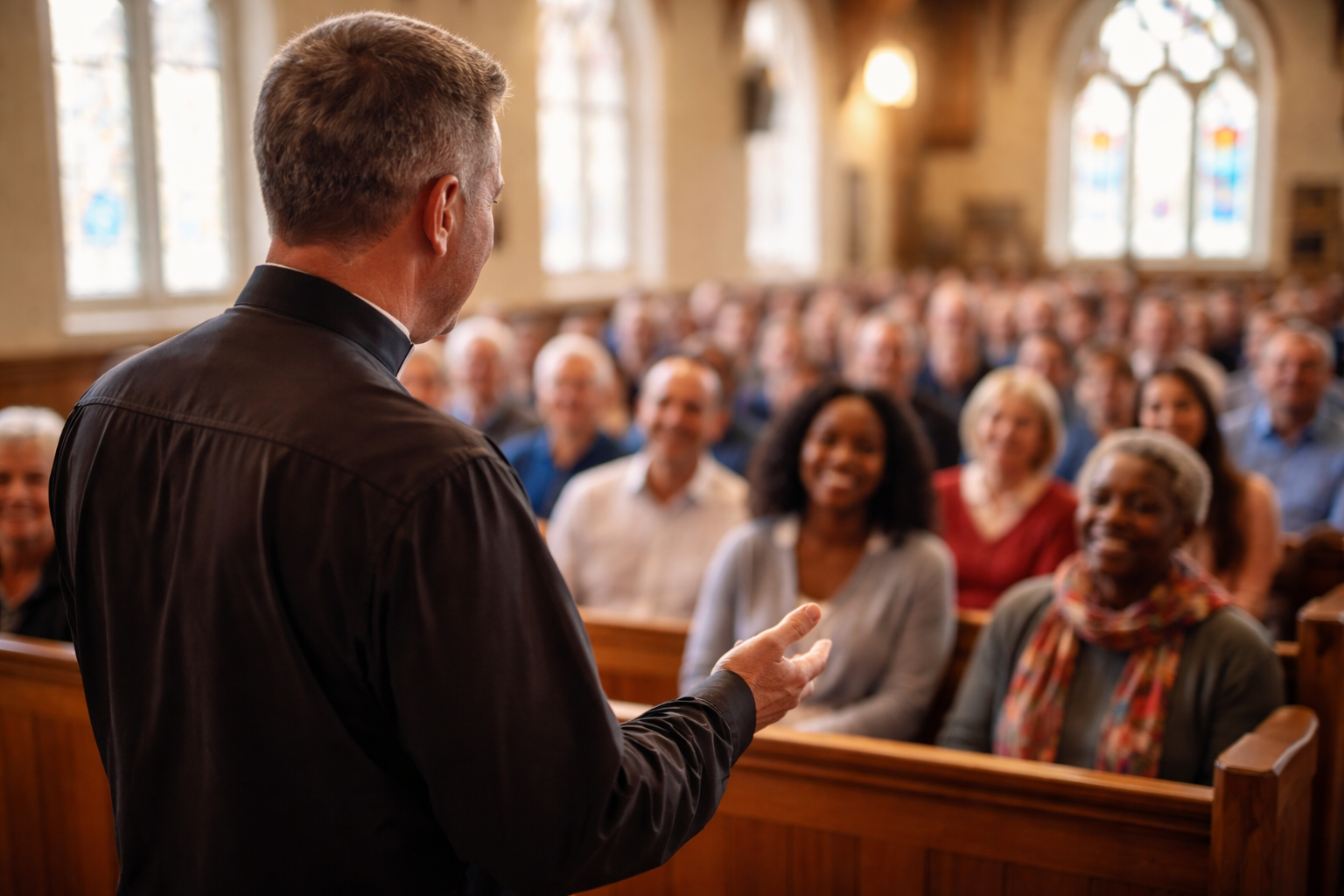
The training also explores the role of power, vulnerability, and influence within communities. Participants will consider how leadership and followership both contribute to culture, and how dynamics of trust, authority, and belonging can either support or undermine safeguarding. Particular attention is given to the complexity of lived experience-recognising that within the same organisation, some may experience safety and flourishing while others experience harm.

Through reflective practice and real-world examples, participants will examine how organisations can remain self-aware and responsive, avoiding drift into unhealthy or unsafe cultures. The course also considers the interaction between different cultures within the same space, supporting participants to navigate tension, difference, and diversity with sensitivity and integrity.
A central focus of the faith-based version of this course is spiritual abuse and its relationship to culture. Participants will explore what spiritual abuse is, how it can develop within otherwise well-intentioned environments, and the impact it has on individuals and communities. The course considers both the harms caused and the pathways towards healthier, restorative cultures, with a strong emphasis on listening to and learning from survivor voice.
Grounded in trauma-informed and person-centred approaches, this course equips participants with the insight, language, and practical tools to build, sustain, and restore cultures that are safe, brave, and accountable.
If a course time doesn’t suit, or you’re seeking bespoke training for your organisation, please get in touch to discuss how we can support your specific training needs
-
Safe, brave spaces: creating and sustaining healthy cultures
Date: 22/10/2026
Time: 09.30-12.30pm
Cost: £50
Context: Faith-based
Region: International
Format: Online
-
Safe, brave spaces: creating and sustaining healthy cultures
Date: 04/11/2026
Time: 6.30-9.30pm
Cost: £50
Context: All contexts
Region: International
Format: Online
-
Safe, brave spaces: creating and sustaining healthy cultures
Date: 19/11/2026
Time: 6.30-9.30pm
Cost: £50
Context: Faith-based
Region: International
Format: Online
-
Safe, brave spaces: creating and sustaining healthy cultures
Date: 08/12/2026
Time: 9.30-12.30pm
Cost: £50
Context: All contexts
Region: International
Format: Online